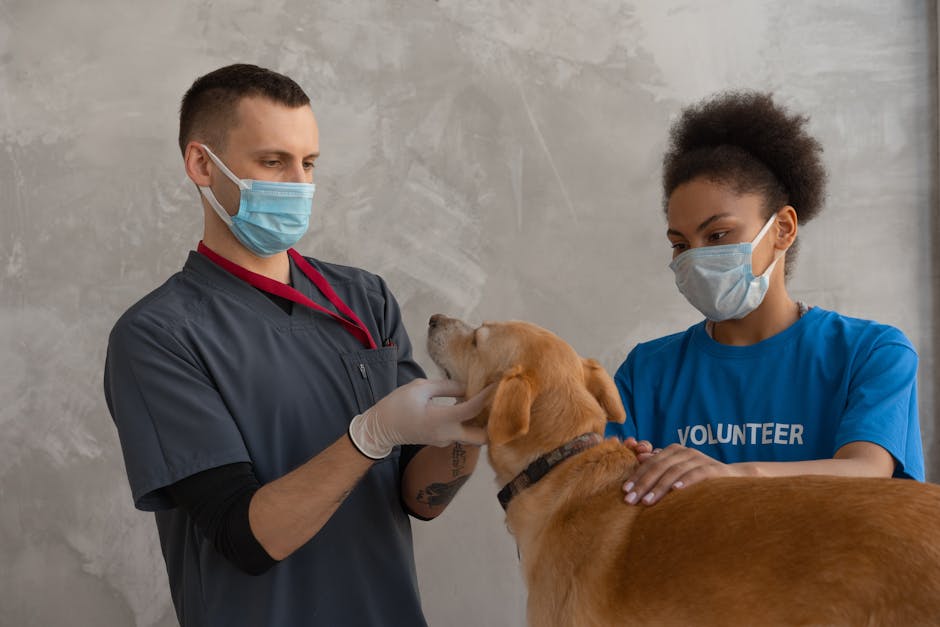
I spent nine years behind a veterinary reception desk. I’ve seen the look on a client's face https://bizzmarkblog.com/whats-a-realistic-budget-for-dog-vet-bills-per-year-in-the-uk/ when the estimate for a dental procedure comes back, and I’ve seen the sheer panic when a dog eats a sock on a bank holiday. I know that for many, the cost of keeping a pet has shifted from a manageable monthly expense to a source of genuine financial dread.
Between 2016 and 2023, the cost of veterinary services in the UK outpaced general inflation significantly. It’s not just your imagination; the vet bill on your kitchen table has likely doubled in the last decade. As a former insider, I’m here to help you navigate this, cut through the "corporate" noise, and find genuine ways to keep your furry family members healthy without breaking your bank account.
The State of Play: Why Are Vet Bills Skyrocketing?
If you feel like you’re paying more for less, you aren’t alone. In 2024, the Competition and Markets Authority (CMA) launched a major review into the veterinary sector. Their investigation found that many pet owners are not being made aware of the costs of treatments upfront, and in many cases, are not being given the option to shop around for cheaper medicine. This is a massive issue in an industry that has seen rapid consolidation.
Over the last ten years, small, independent practices have been swallowed up by a handful of large corporate groups. While these clinics often keep the original local name on the sign, the pricing, procurement, and management strategies are dictated from corporate headquarters. This often means less flexibility when it comes to billing and a greater focus on upselling diagnostics and premium services.
3-Step Action Plan to Manage Your Vet Costs
If you are struggling to cover your vet bills, don't wait until the bill is due. Take these three steps to regain control:
Request a Detailed Treatment Plan: Never agree to a procedure without a written estimate. If the vet uses jargon like "stabilisation" or "basic panel," ask them to break down exactly what those tests are and why they are necessary right now. Request a Written Prescription: By law, if your pet needs medication, you can ask for a written prescription to take elsewhere. You do not have to buy it from the practice. This is the biggest money-saver you have. Check Your Charity Eligibility: If you are on means-tested benefits, don't be proud. Contact the PDSA or Blue Cross immediately to see if you fall within their catchment areas. They exist to bridge this exact gap.The Prescription Pharmacy Hack
This is where most people get caught out. When your vet charges you £80 for a box of tablets that you could buy online for £25, you are paying a "convenience tax." My advice? Stop paying it.
Vets are allowed to charge for a "prescription writing fee," but even with that fee factored in, you will almost always come out ahead when buying from licensed online pharmacies. Here are the reputable players that I trust:
- VetUK Pet Drugs Online Animed Direct
Always check the GOV.UK register of veterinary medicines to ensure any site you use is legitimate. Never buy from an unverified source; if the price looks too good to be true, it might be counterfeit.
Charity Support: Who Is Eligible?
Charity vet care is not "free for everyone." It is a vital safety net for those in genuine need. The eligibility criteria for the PDSA and Blue Cross are strict, usually requiring proof that you are receiving certain benefits like Universal Credit, Housing Benefit, or Pension Credit.
Charity Typical Focus Eligibility Trigger PDSA Emergency and preventative care Means-tested benefits (e.g., Universal Credit) Blue Cross Low-cost treatment/advice Means-tested benefits/Limited local clinicsYou can check your eligibility directly on their websites. If you don't qualify, look for local "low-cost" vaccination clinics or neutering voucher schemes run by the RSPCA or Cats Protection. These are often regional and don't get the advertising budget that corporate clinics do.
Insurance: The "Salesy" Truth
I know, I know—insurance feels like another corporate trap. But when a major surgery can cost £3,000+, it is often the only thing preventing a "financial euthanasia" decision. The trick is to avoid "lifetime" premiums that hike up every time you claim.
Use a policy comparison tool like Perfect Pet (Perfect Pet Insurance) to see if you can find a balance between monthly premiums and excess costs. Transparency is your best friend here. Look for "excess" amounts that you can actually afford to pay out-of-pocket when disaster strikes.
Questions to Ask at the Desk
As a former receptionist, I can tell you that the people at the desk are often just following the system they were taught. Don't be aggressive, but be firm. Ask these questions to ensure you aren't being overcharged or pressured:
- "Is this a 'gold standard' recommendation, or is there a more cost-effective alternative for this condition?" "Can you provide a written prescription for these medications instead of selling them from the practice?" "What is the fee for writing the prescription, and how many items can be included on one document?" "Is this practice part of a corporate group? (This helps you understand their policy on pricing and autonomy.)" "Are there any payment plan options or 'pet health clubs' that would actually save me money on routine vaccinations and flea treatments?"
The Bottom Line
The veterinary industry is changing, and the era of the "local family vet" who knows every pet by name is, unfortunately, fading. It is now up to you to be your pet's advocate. You have the right to request itemised bills, you have the right to shop around for medicines, and you have the right to ask for alternatives when money is tight.
Do not be intimidated by the clinical environment. You are a paying customer, and your pet’s health should not be used as a lever for corporate profit margins. Stay informed, use the online resources available to you, and always—always—ask for the price before the treatment begins.
Disclaimer: This article is for informational purposes only. I am a former veterinary receptionist, not a veterinarian. If you have concerns about your pet’s health, please consult a professional immediately. For average dog blood work cost information regarding your rights as a consumer, visit the official CMA website.